Digital Minimalism
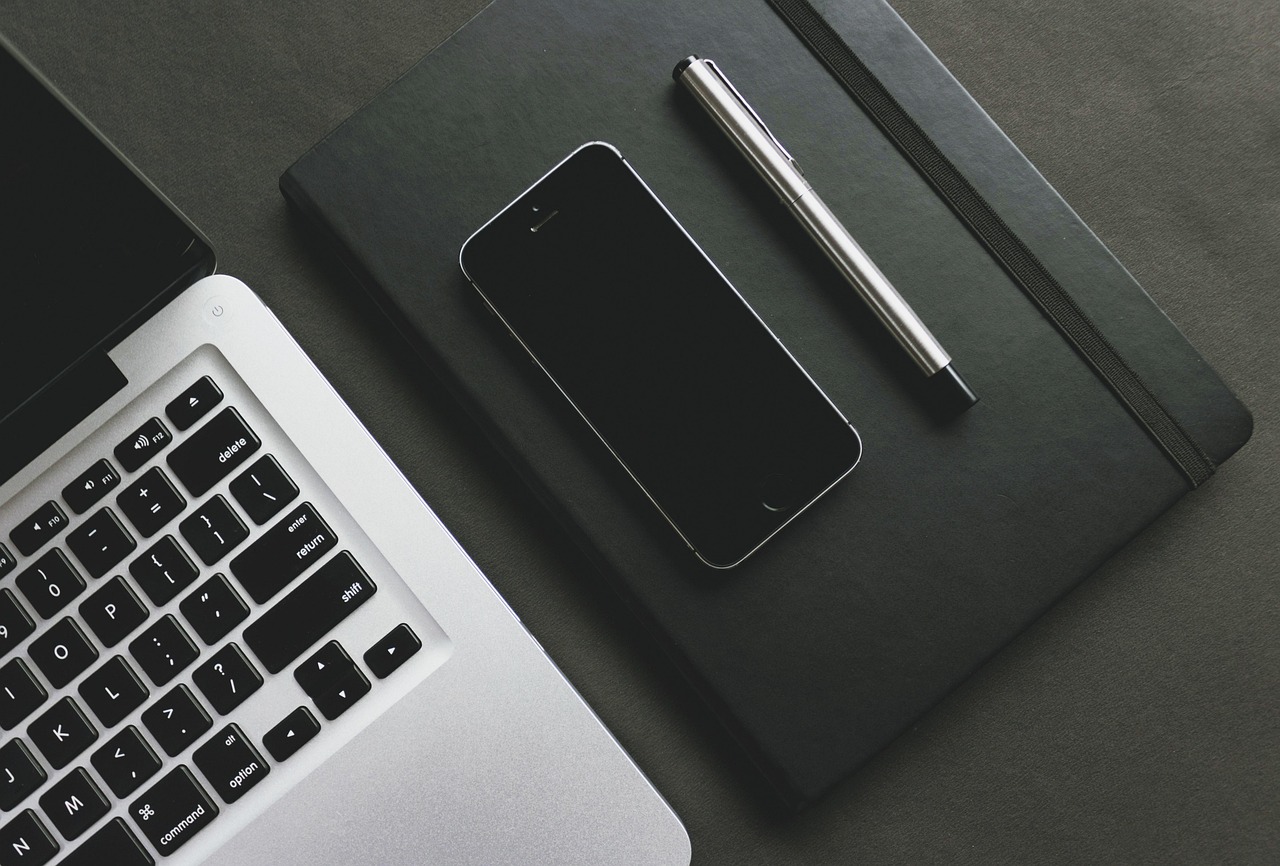
There's a particular kind of restlessness that hits creative professionals around the middle of a project. The work is going fine, or fine enough, but something feels off. And in that moment, the mind reaches for a solution that is easy to purchase: a new lens, a new plugin, a new notebook, a new subscription. The gear feels like progress. It rarely is.
I'm not against tools. Good tools matter, and pretending otherwise is a kind of false modesty. But there's a difference between a tool that removes friction and a tool that promises to remove doubt. The first one is worth buying. The second one is a story we tell ourselves to avoid the harder question: what is this piece actually trying to be?
Every tool you own asks for something. It asks to be learned, maintained, updated, charged, stored, and justified. A single new piece of software can quietly consume a weekend of setup and a month of half-attention before you admit you don't actually need it. Multiply that by ten, and you've built a small administrative job for yourself that has nothing to do with the work you set out to do.
The cost isn't just time. It's decision fatigue. When you have six ways to do something, you spend the first ten minutes of every session choosing instead of working. A smaller kit collapses those choices. It pushes you toward the one path you actually know, and it lets the work start sooner.
When you work with less, you learn what your craft actually depends on. A writer with one notebook learns to think before writing. A photographer with a single prime lens learns to move their feet. A designer with a limited palette learns to solve problems with structure instead of decoration. In each case, the constraint doesn't limit the work — it clarifies it.
The practical version of this is simple, though not always easy. Before you buy the next thing, try finishing the current project with what you already have. If the work still feels blocked, ask whether the block is technical or emotional. Most of the time, it's emotional, and no purchase will reach it.
There's a quiet confidence that comes from knowing your kit is enough. It's not the confidence of having everything — it's the confidence of having chosen. That's a different feeling, and it lasts longer.
